|
 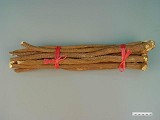 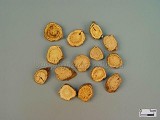
| Chinese Name |
Gancao |
| Latin |
Radix et Rhizoma Glycyrrhizae |
| English Name |
Liquorice Root |
| Key Characteristics |
Herb that tonifies qi |
| Source |
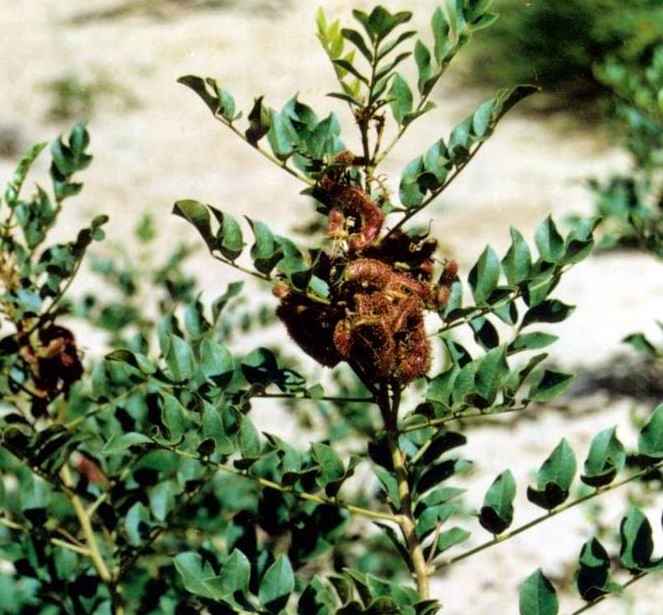
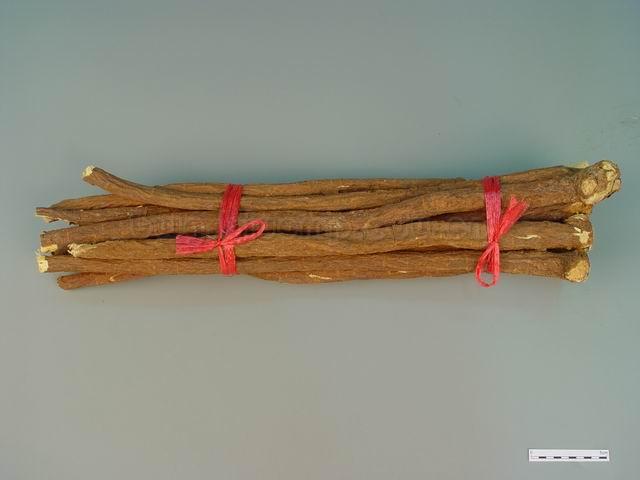
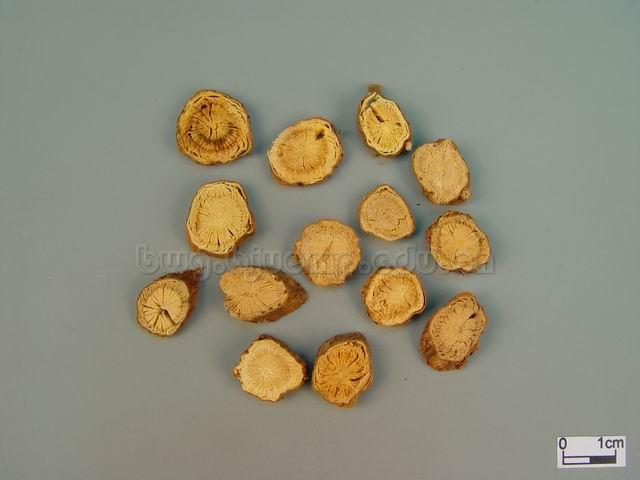
Dried root of Glycyrrhiza uralensis Fisch. , Glycyrrhiza inflata Bat. or Glycyrrhiza glabra L(Fam.Leguminosae).
|
| Property, Flavor and Meridians Entered |
Sweet, neutral; Heart, Lung, Spleen, Stomach
|
| Actions |
To reinforce the function of the spleen and replenish qi, clear heat and counteract toxin, dispel phlegm and relieve coughing, alleviate spasmodic pain, and harmonize other ingredients |
| Indications |
Deficiency in the spleen and stomach, marked by lassitude and weakness, palpitation and shortness of breath, cough with much sputum, spasmodic pain in the epigastrium, abdomen and limbs, carbuncles and sores, also used to harmonize the toxic or drastic actions of other ingredients, in addition, used for digestive tract ulcer, depression, food poisoning, acute mastitis, psoriasis, acne, and frostbite
|
| Special Usage |
Unprocessed ones are slightly cold, susually used to clear heat and counteract toxicity, processed with honey it is slightly warm, so it can reinforce spleen qi and heart qi, and moisten the lung to arrest cough.
|
| Precaution |
It is incompatible with Radix Euphorbiae Pekinensis, Flos Genkwa and Radix Kansui. It is not suggested to prescribe to those with distension and fullness in the chest and abdomen or vomiting from overabundant dampness. Long-term administration may cause side effect like edema from water-sodium retention |
| Chemical Composition |
It contains triterpenes, flavonoids, alkaloids, polysaccharides.
|
| |
|
|
|