|
  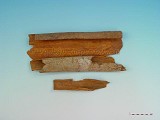
| Chinese Name |
Rougui |
| Latin |
Cortex Cinnamomi |
| English Name |
Cassia Bark |
| Key Characteristics |
Herb that warms the interior. |
| Source |
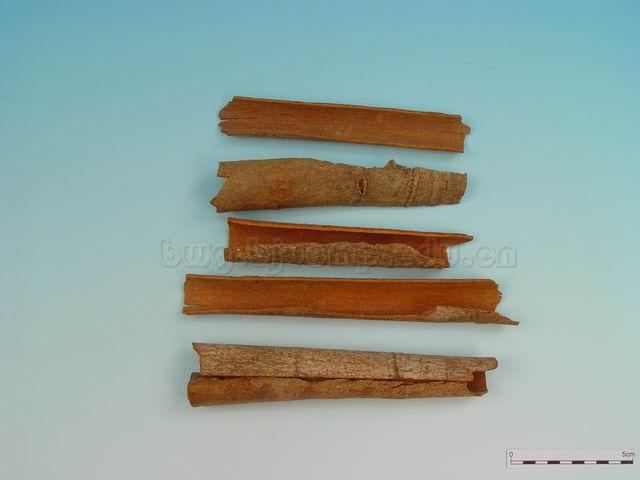
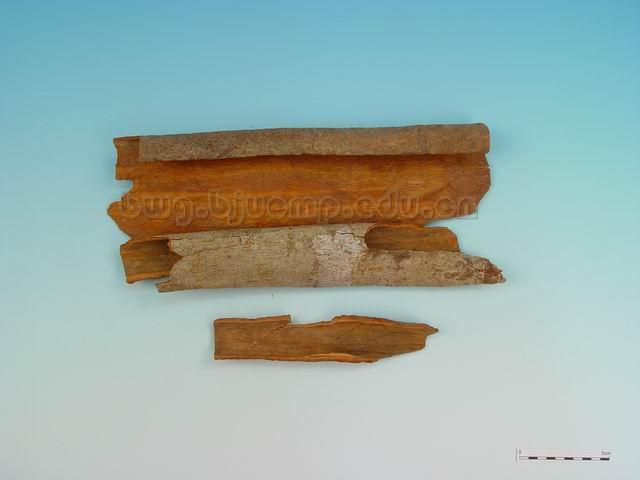
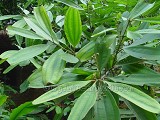
Dried stem bark of Cinnamomum cassia Presl (Fam. Lauraceae) |
| Property, Flavor and Meridians Entered |
Acrid, sweet, hot; Kidney, Spleen, Heart, Liver
|
| Actions |
To reinforce fire and strengthen yang, conduct fire back to its origin, disperse cold to kill pain and activate blood circulation and regulate menstruation
|
| Indications |
Impotence, cold in the uterus, feeling of cold and pain in the lower back and kness, dyspenea due to deficiency in the spleen, dizziness due to yang deficiency, bloodshot eyes and sore throat due to deficient fire flaming up in the upper, cold pain in the precordial and abdominal area, vomiting and diarrhea due to deficiency and cold, hernia due to cold, up-rushing of qi, amenorrhea, dysmenorrhea, in addition, used to treat lower back pain due to deficiency of kidney yang, frostbite, neurodermatitis, child diarrhea, infant salivation, bronchial asthma, senile broncopneumonia, stenosing tendovaginitis, etc.
|
| Special Usage |
When it is prepared into a decoction, it should be added near end, or it is put into a ready decoction for some time before taking.
|
| Precaution |
Use with caution in patients with yin deficiency and flaming of fire, excessive heat in the interior, bleeding, or in pregnancy. It is forbidden to prescribe together with Halloysitum Rubrum (Red Halloysite)
|
| Chemical Composition |
It contains volatile oil, in which cinnamic aldehyde is the essential component.
|
| |
|
|