|
| Chinese Name |
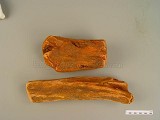
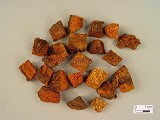
Dahuang |
| Latin |
Radix et Rhizoma Rhei |
| English Name |
Rhubarb |
| Key Characteristics |
Downward-draining herb |
| Source |
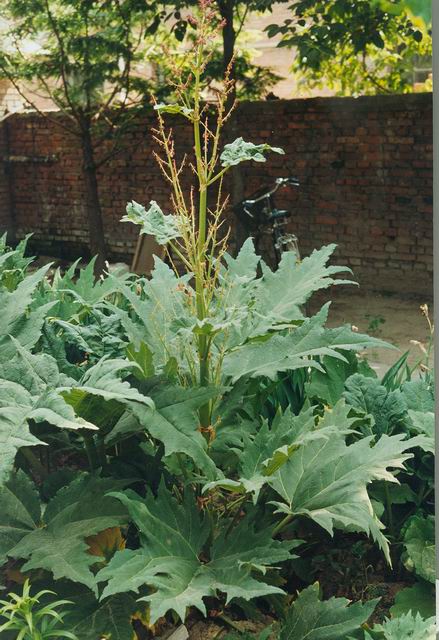
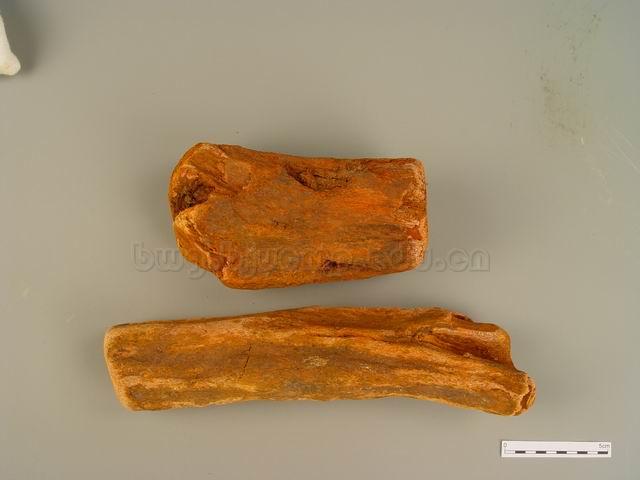
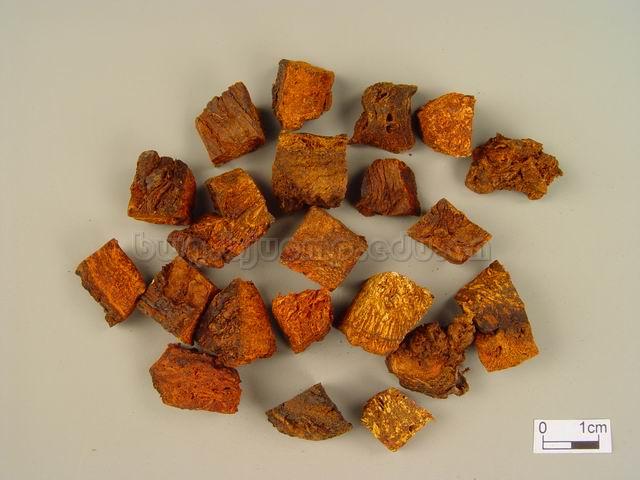
Dried root and rhizome of Rheum palmatum L., Rheum tanguticum Maxim. ex Balf. or Rheum officinale Baill. (Fam. Polygonaceae)
|
| Property, Flavor and Meridians Entered |
Bitter, cold; Spleen, Stomach, Large Intestine, Liver, Pericardium
|
| Actions |
To purge fire and dredge intestines, cool blood and eliminate toxin and blood stasis and induce menstruation
|
| Indications |
Constipation due to intense heat, retention of feces and abdominal pain, dysentery, jaundice caused by damp-heat, hematemesis, epistaxis, bloodshot eyes and sore throat due to heat in blood, painful appendicitis, boils, sores and abscess, amenorrhea due to blood stasis, traumatic injuries, scalds and burns, hemorrhage from the upper gastrointestinal tract, in addition, used for cholecystalgia, acute pancreatitis, herpes zoster, hyperlipemia and obesity |
| Special Usage |
Because of its strong purgation, unprocessed ones are prescribed, and add it near the end when it is prepared into a decoction. Processed with white spirit, it is weaker in action, but it works to promote blood circulation, so it is best for blood stasis. Charred rhubarb is used to stop bleeding |
| Precaution |
It is forbidden to give to patients with qi and blood deficiency, yet without blood stasis. It is also forbidden to prescribe to those with weak stomach and spleen function, and to pregnant women and during the period of menstruation, and lactation.
|
| Chemical Composition |
It mainly has anthraquinones, etc.
|
| |
|
|